
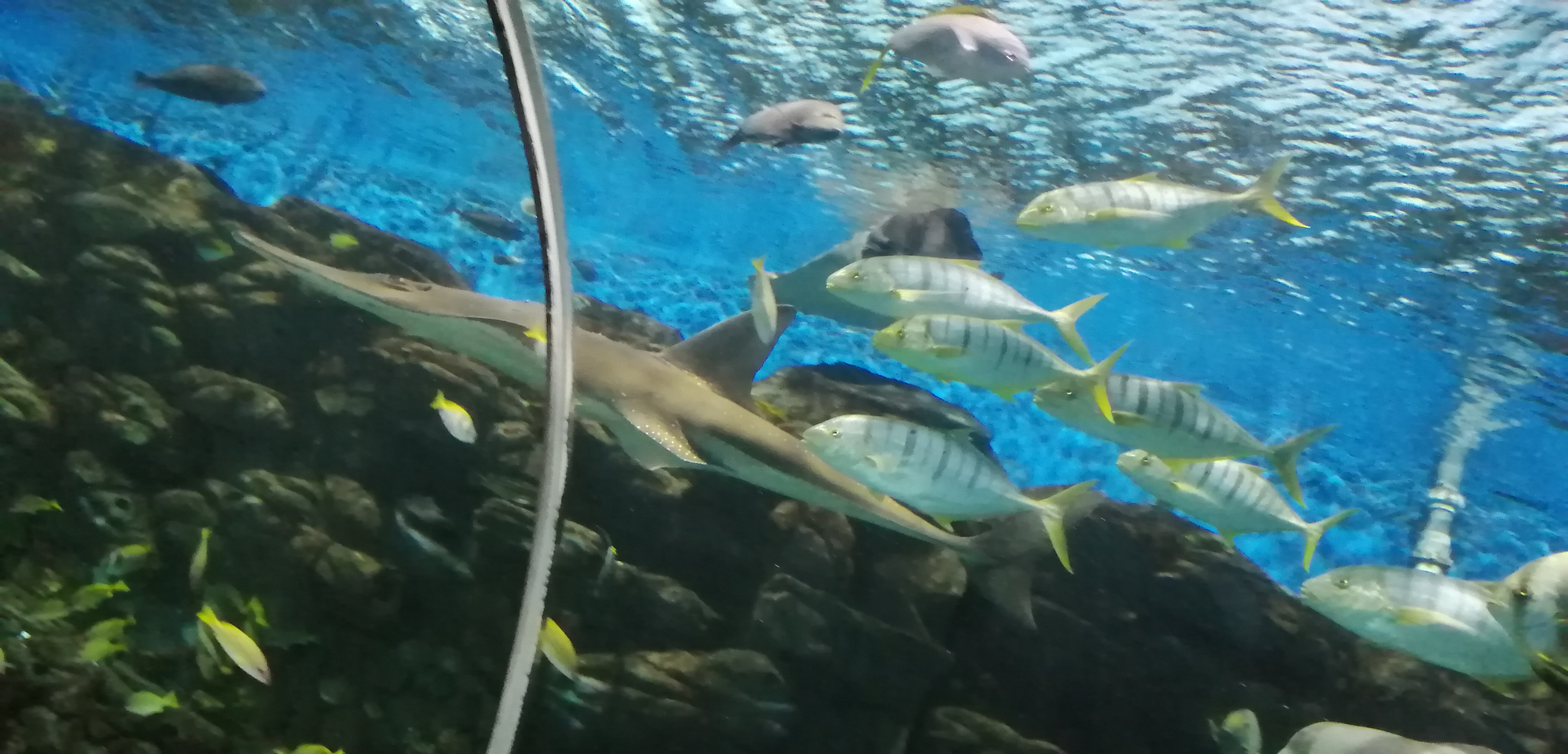
China Oceanis Philippines Inc.. it is known as Manila Oceanarium.
Their conservation strategies are
being transparent about the park’s operations with independent environmental auditors,
reducing energy use in the park’s operations,
doing research on endangered and threatened species,
reducing energy use in the park’s operations, and
banning endangered species in the park unless captive-bred in accredited farms.

It is originated in the Amazon basin of South America. It is a tropical fish of the family serrasalminae, which closely resembles a piranha in its juvenile stage.
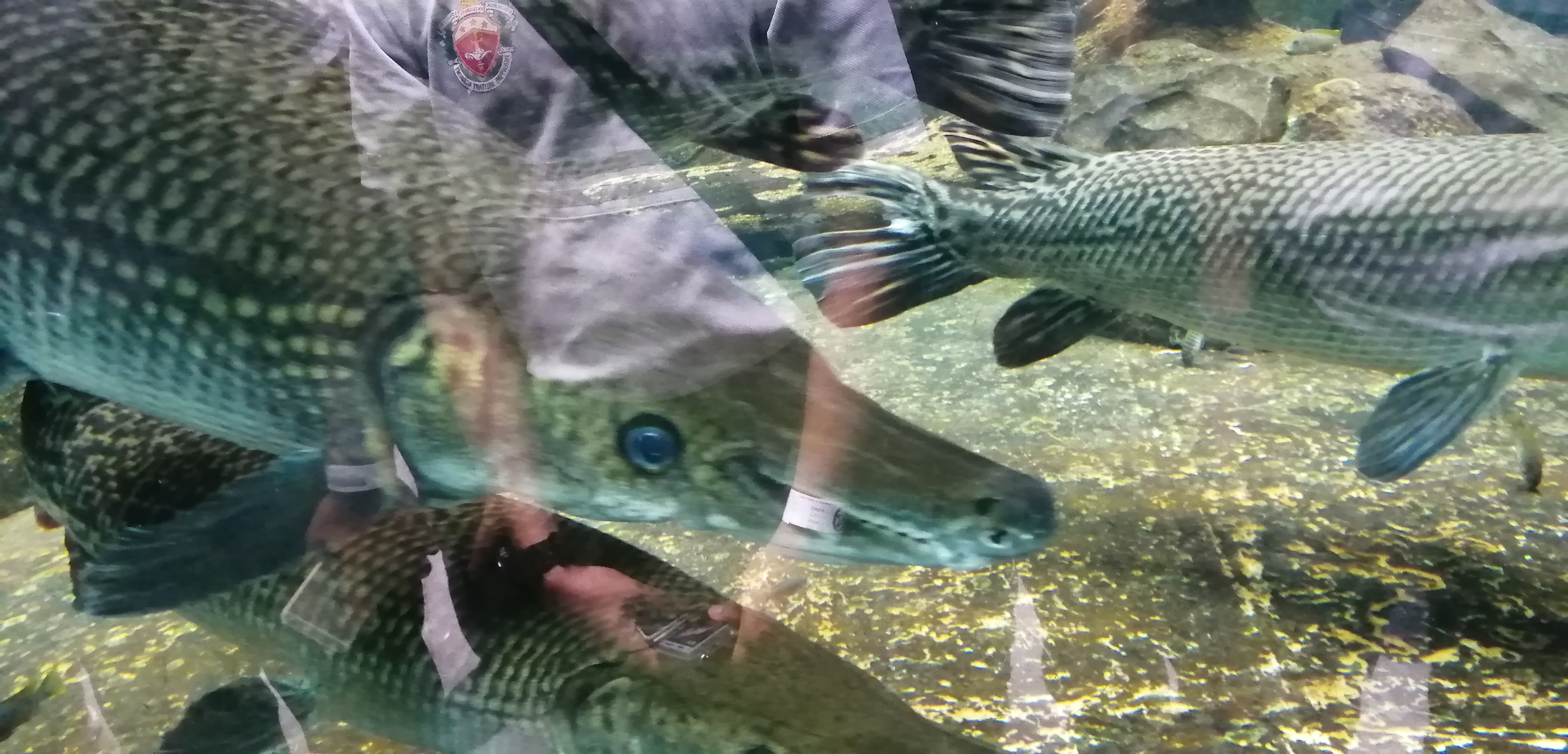
The Alligator Gar has a unique appearance and falls into the category of a ray-finned species. They are the only species of gar that has a row of very sharp teeth that are in the upper jaw region. Giving their mouth the appearance of an alligator where the name was derived from.
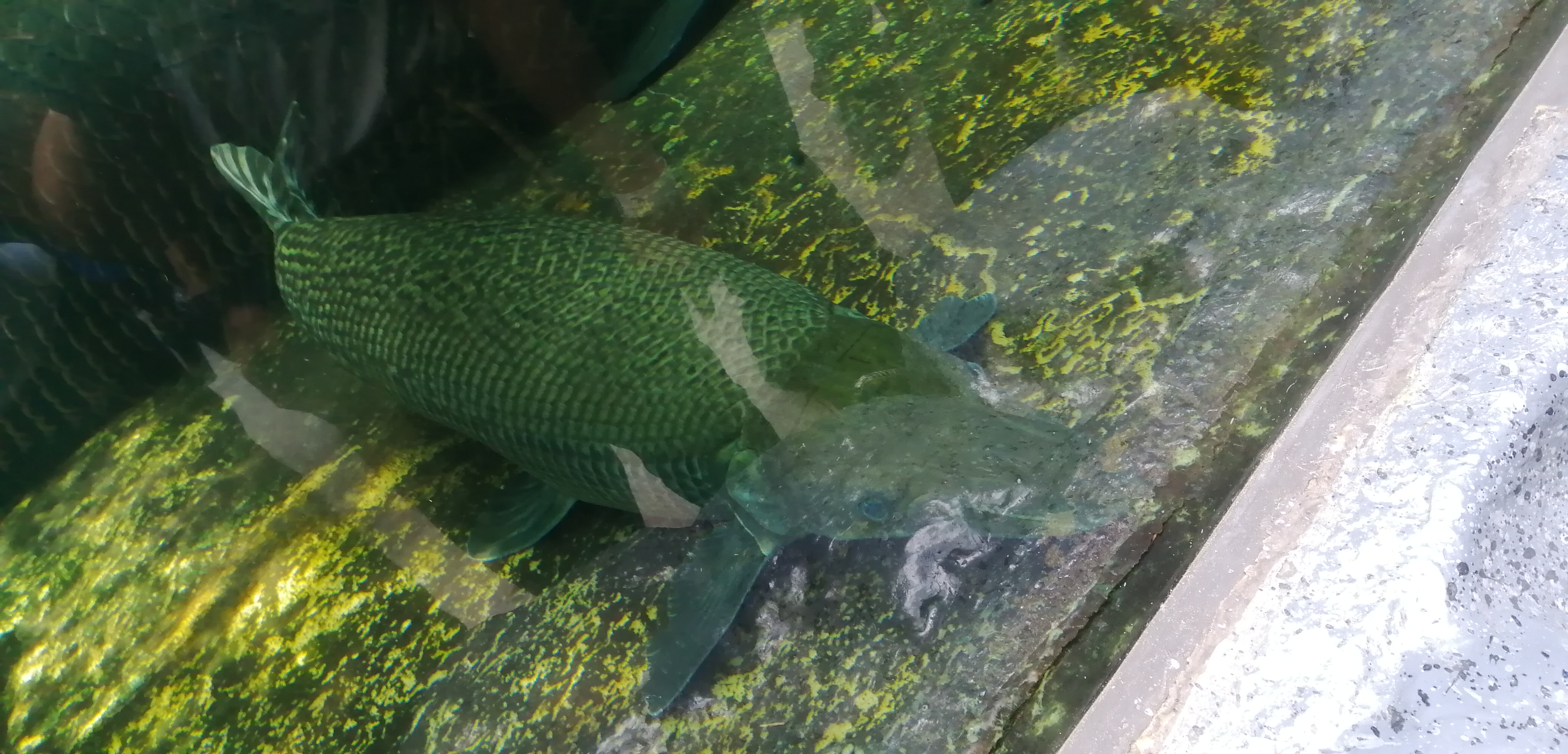
Arapaima is native to the Amazon river basin and its tributaries, which range includes the countries of Peru, Guyana, and Brazil. This fish can grow to length for more than 10 ft. Arapaima are considered living fossils and have been around since the miocene.
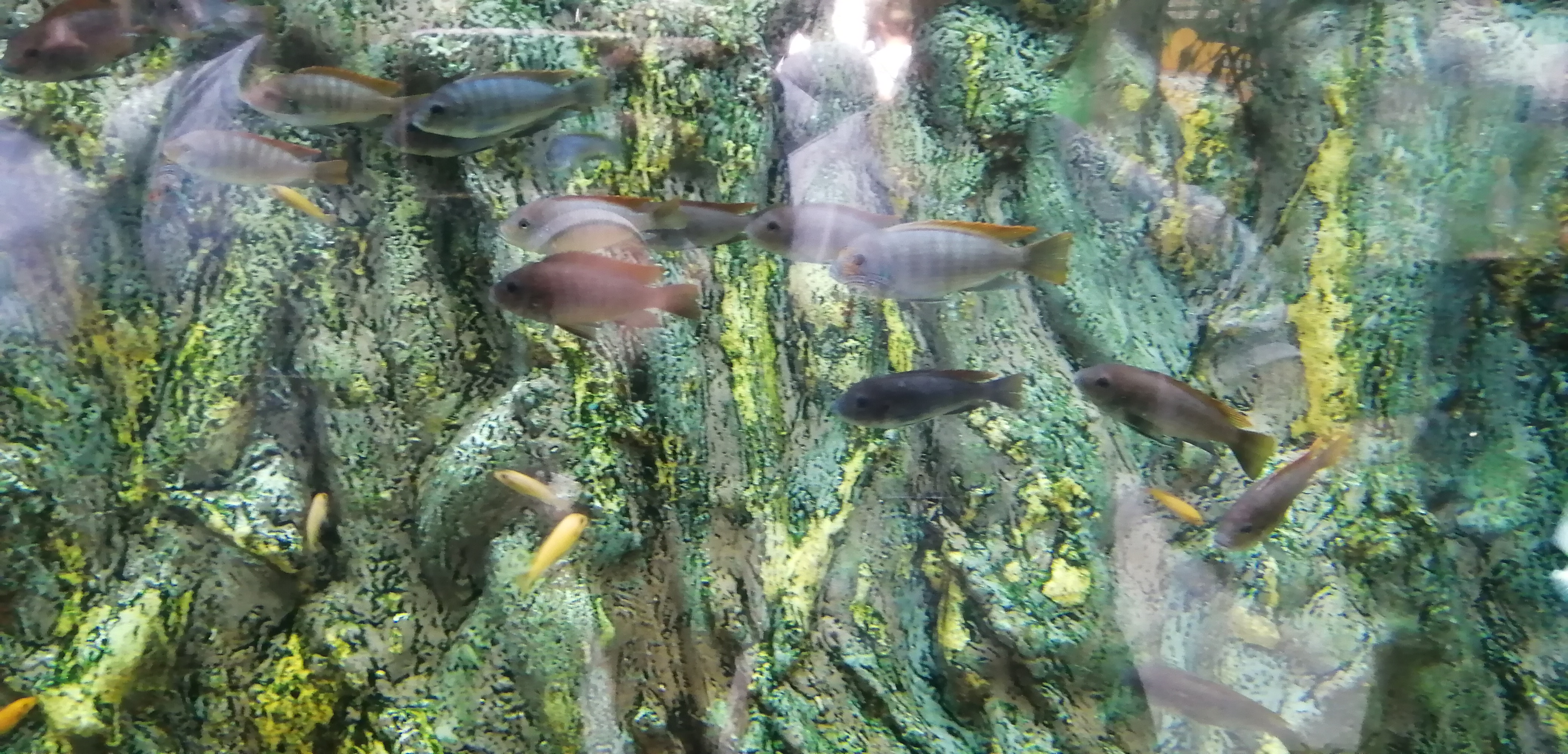
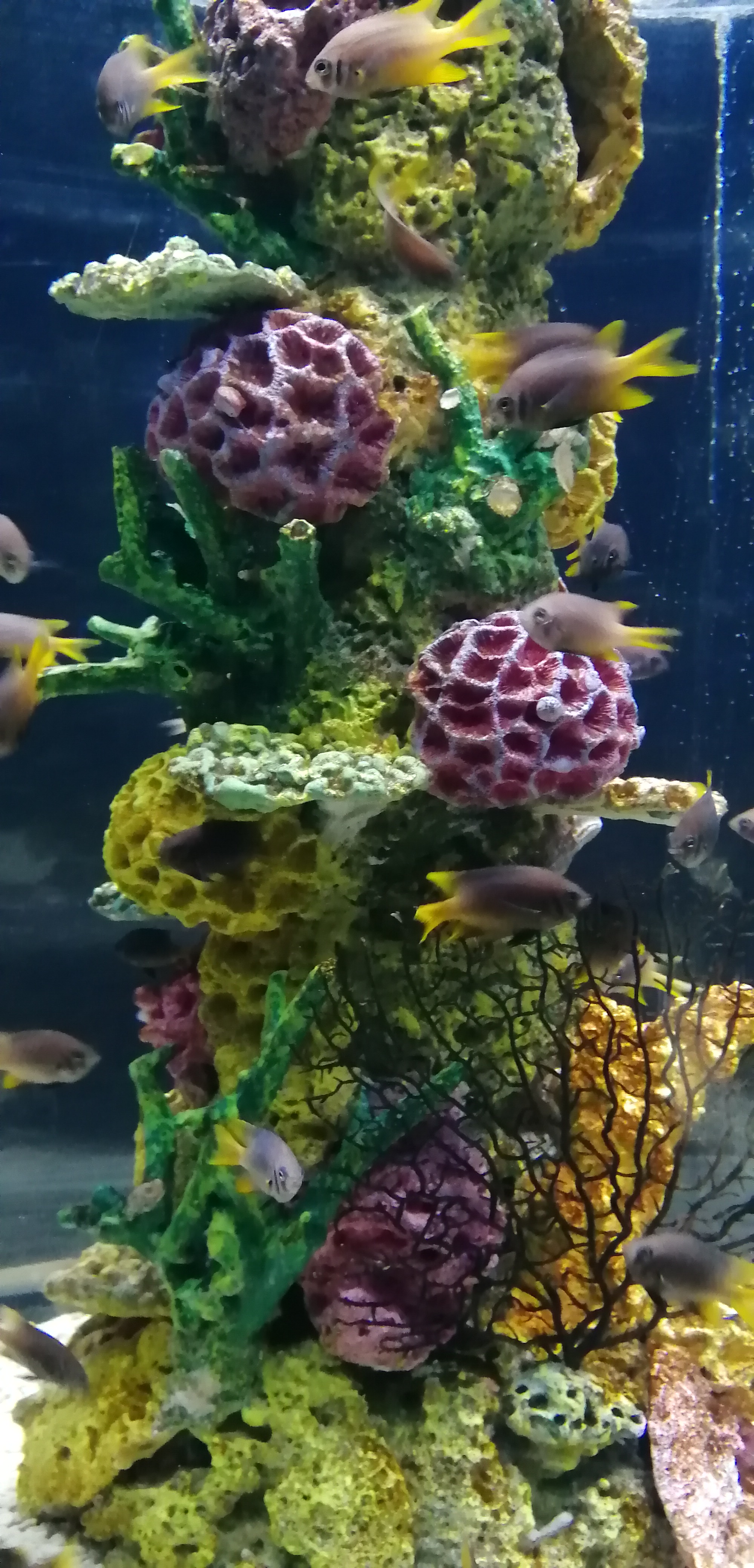
Cichlids are mostly found in the rift lakes in Africa. Most Cichlids have a classical fish-shaped body design and they come in a rainbow of colors.
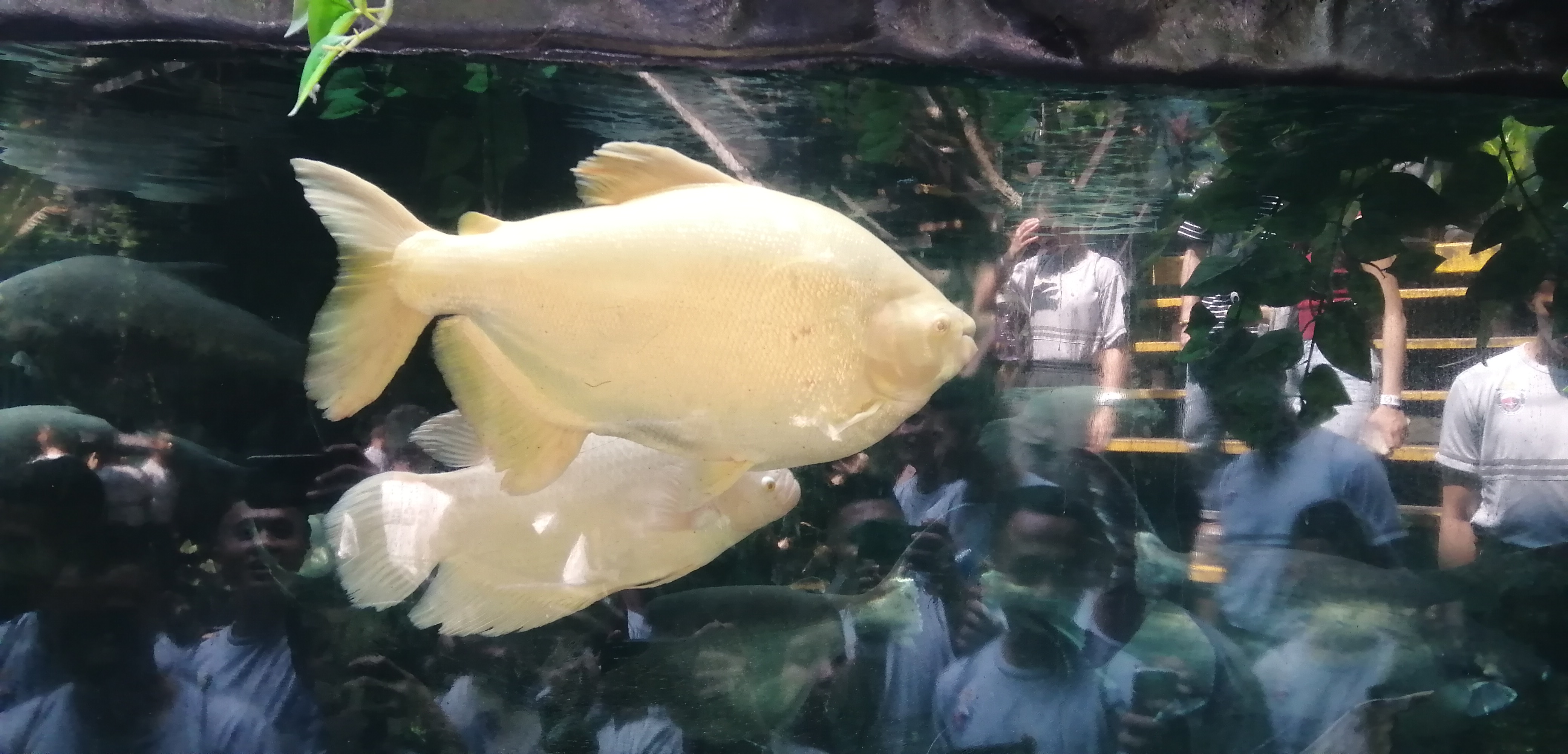
the species of this fish is from the cichlid family known under a variety of common names.
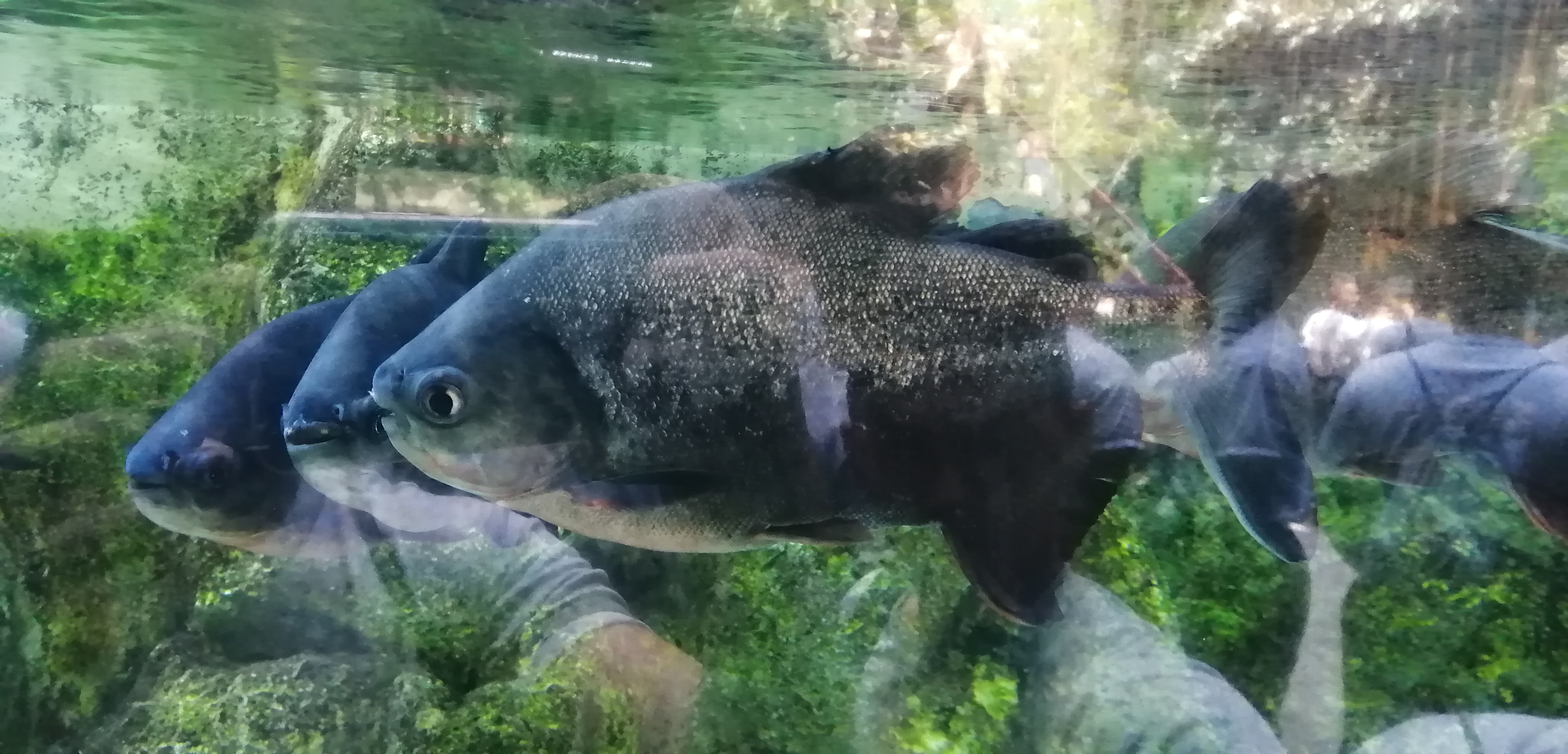
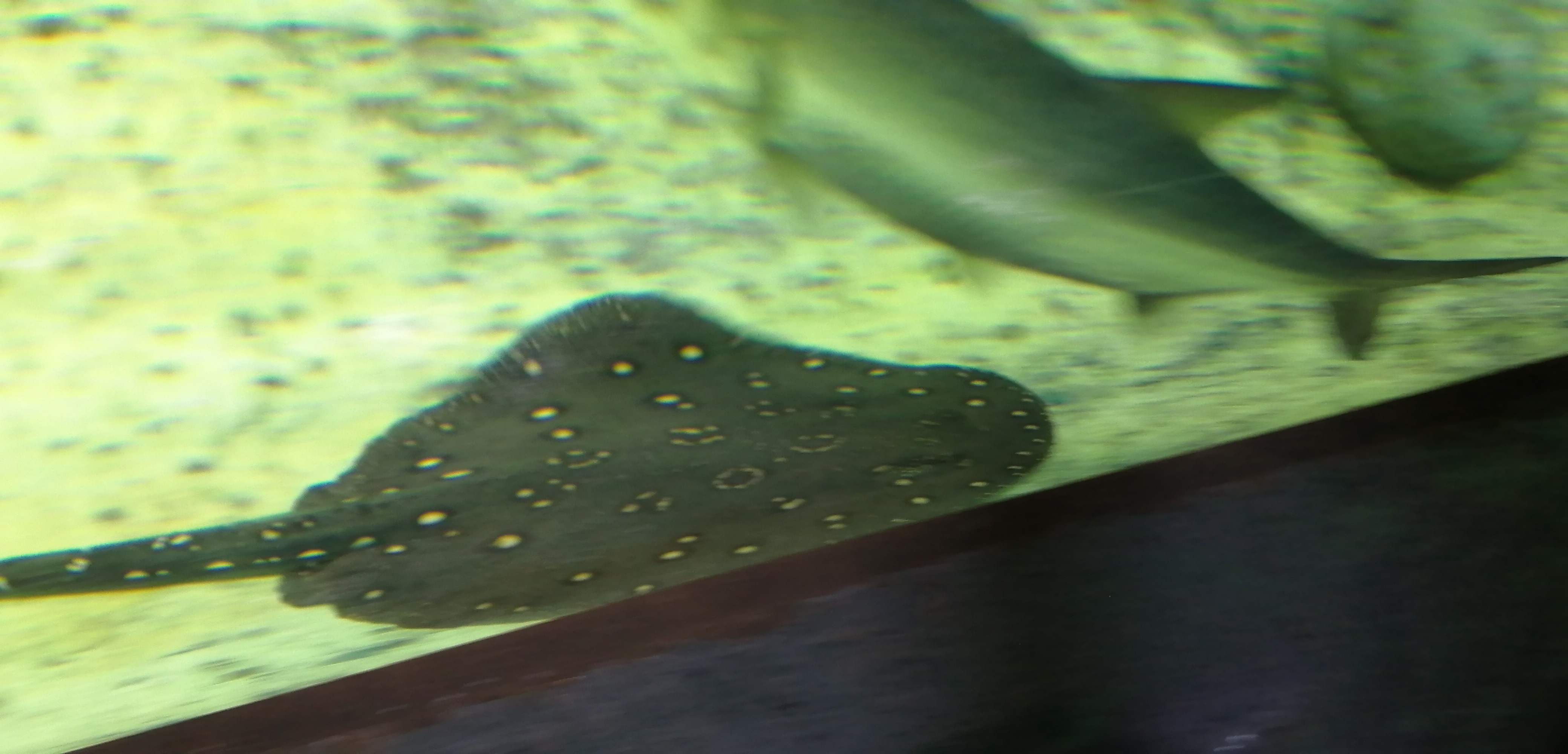
it is a carnivore fish and its life span is up to 15-25 years.
its size is up to 6.5 ft and weight is up to 790 lbs.
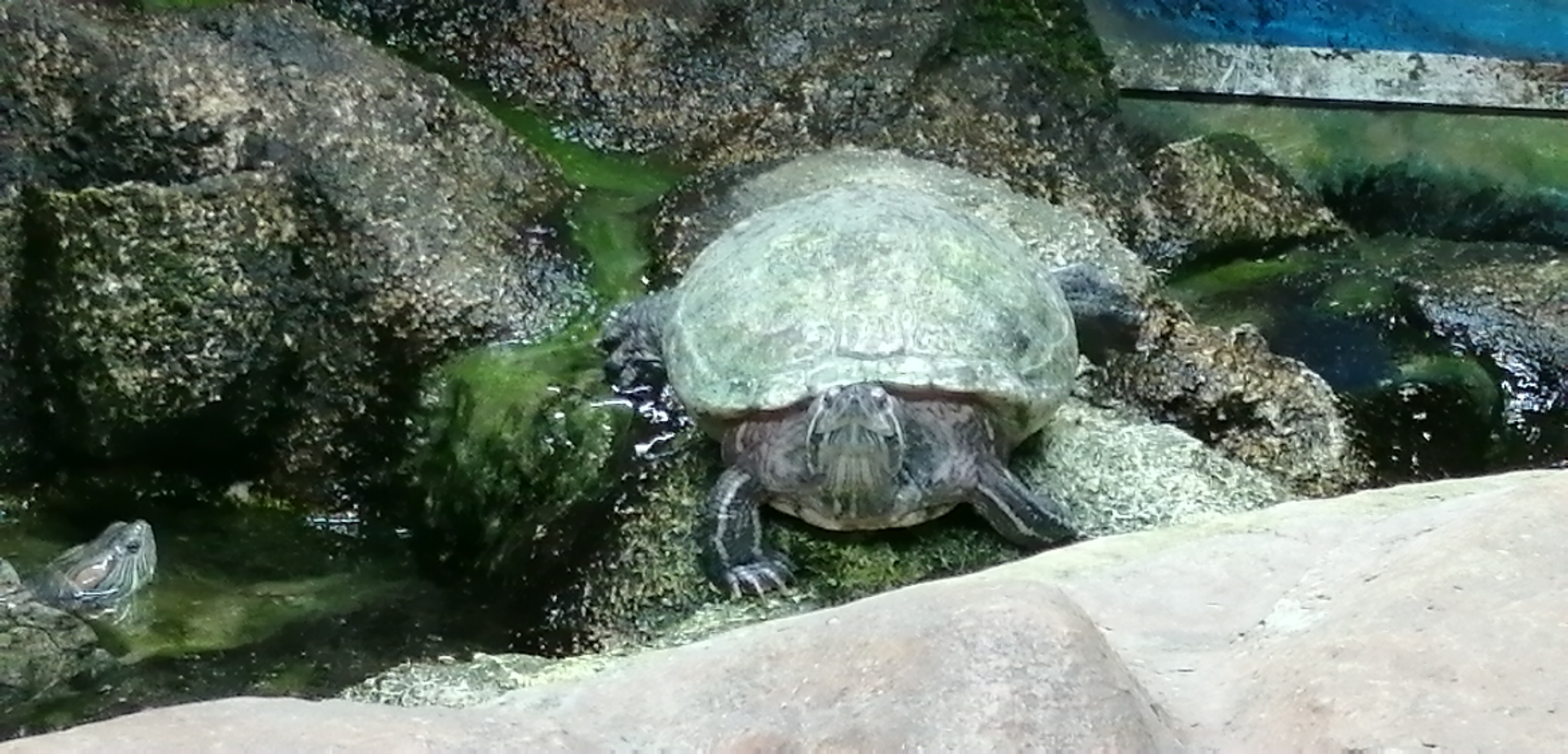
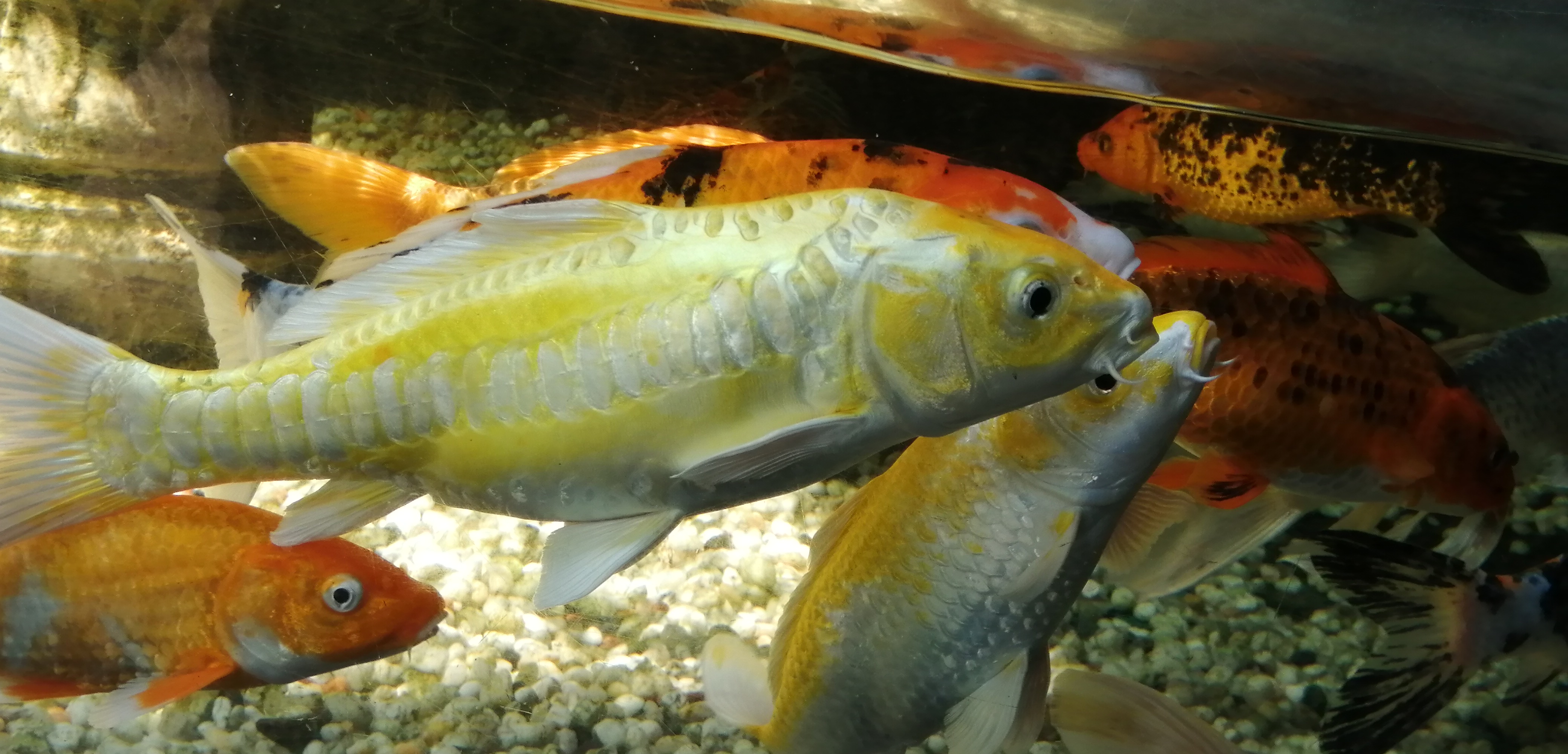
it is originated from Japan and represents love and friendship in Japanese culture.
They can reach up to 3 ft length and their color depends on the variety.

it also called as the sea star. It is invertebrate species.
It is a carnivore fish and can live up to 35 years.
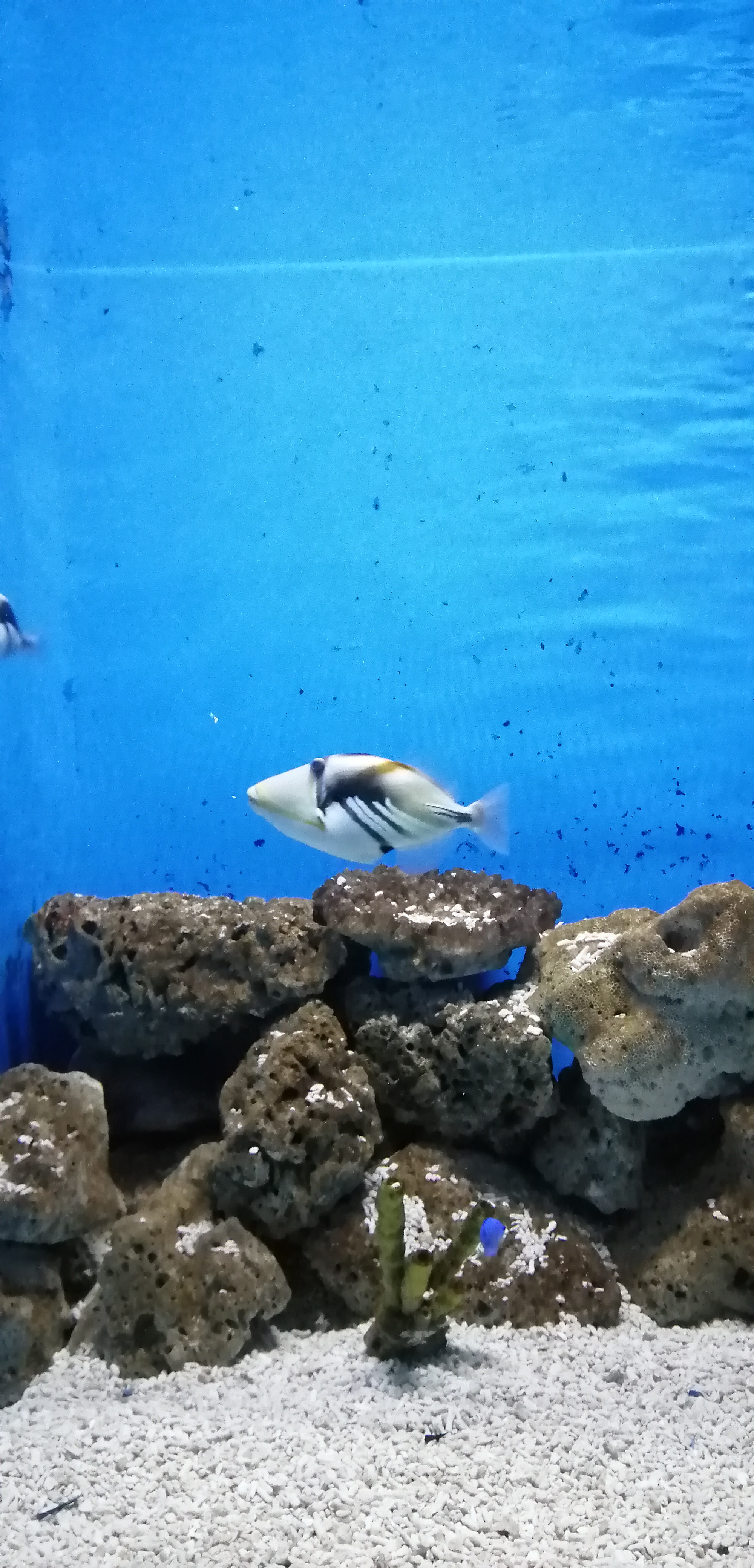
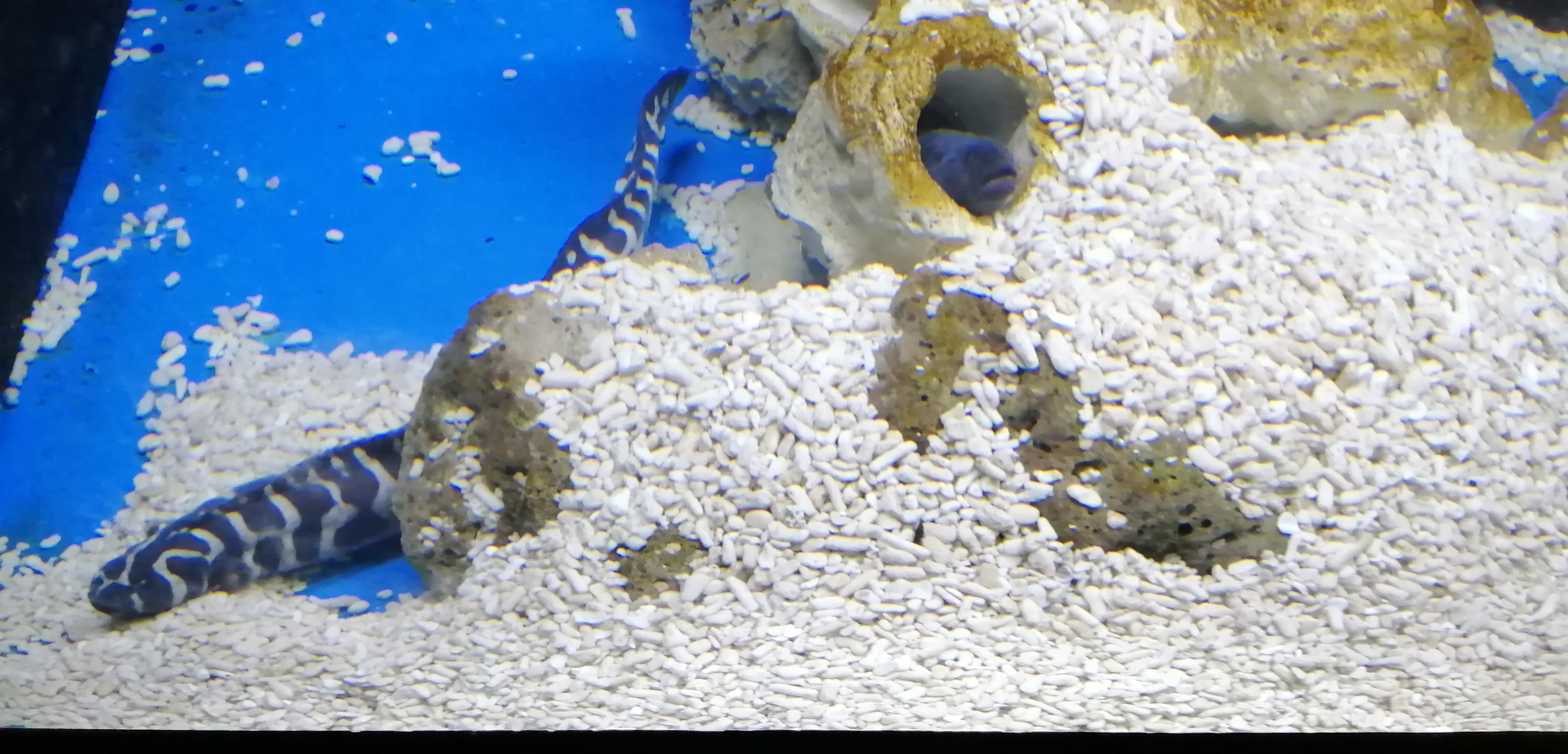
It have two sets of jaws.
Most predatory fish use suction to pull food down their throats.
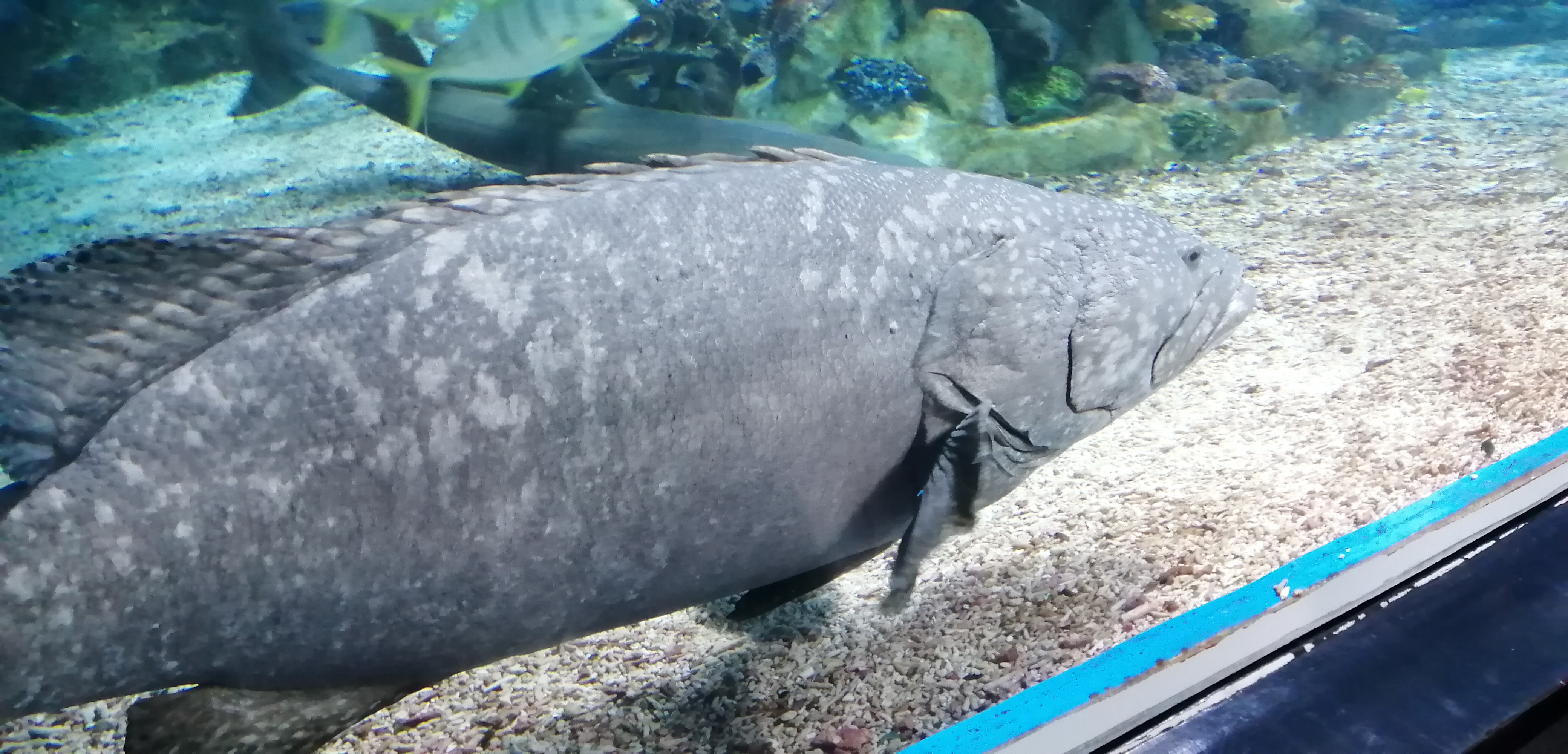
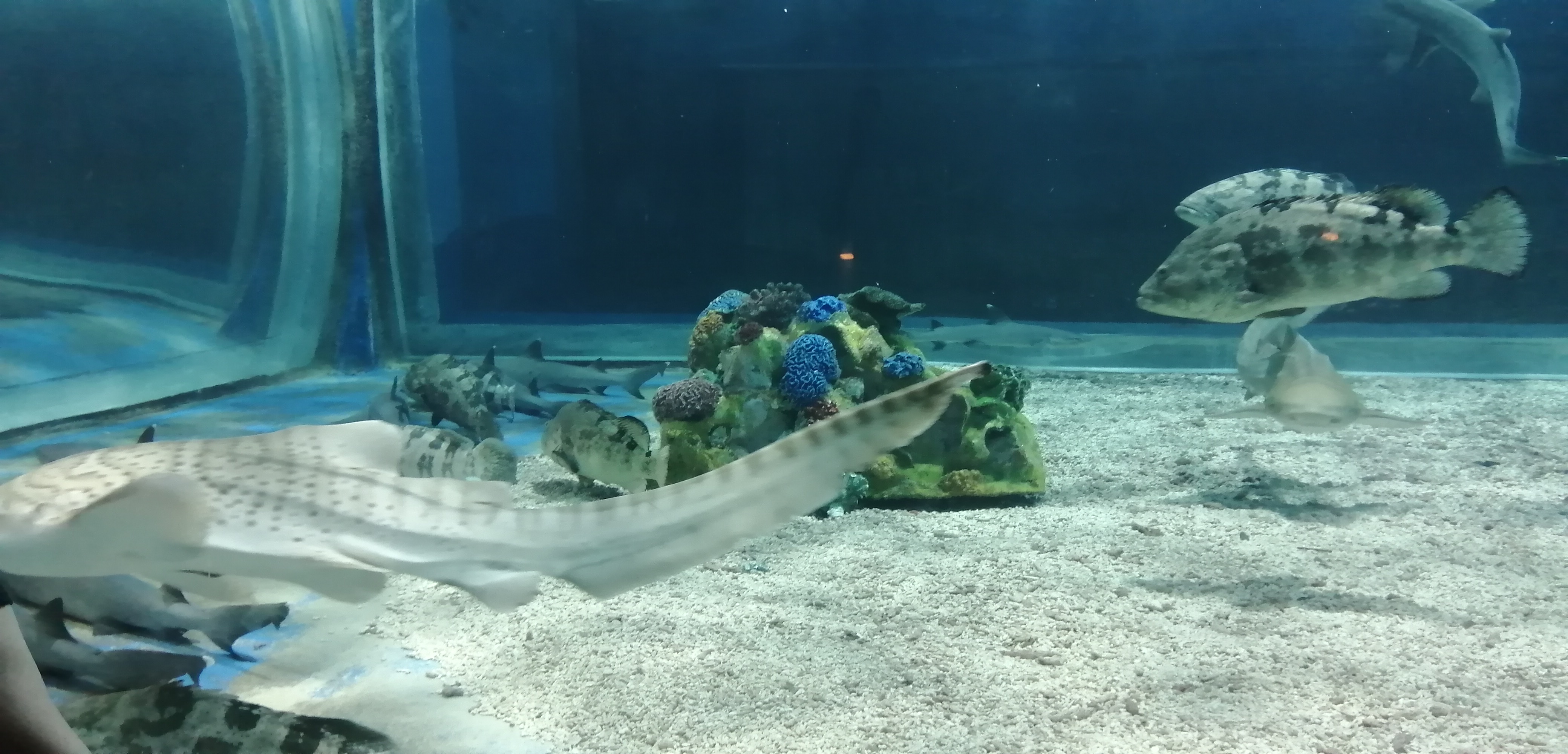
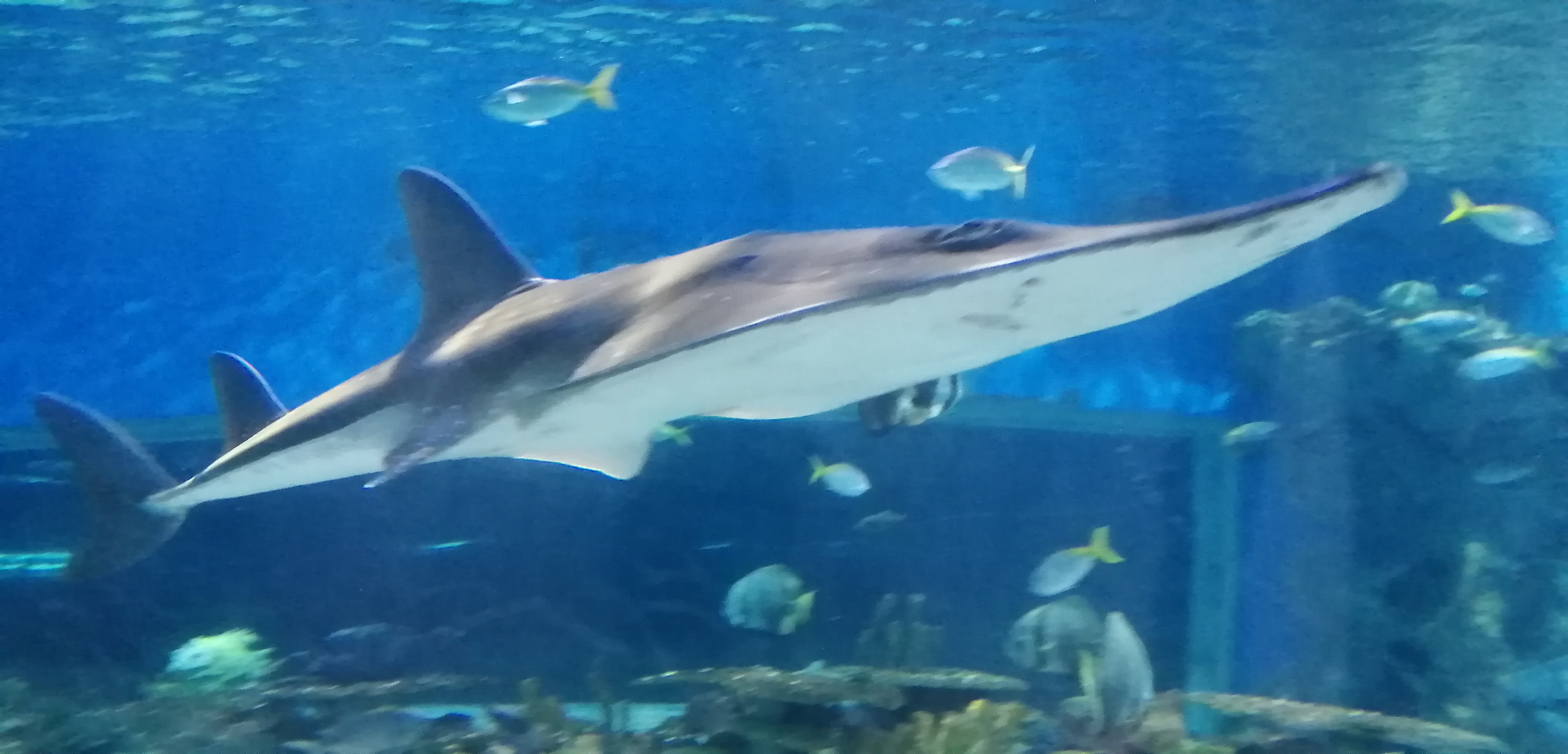
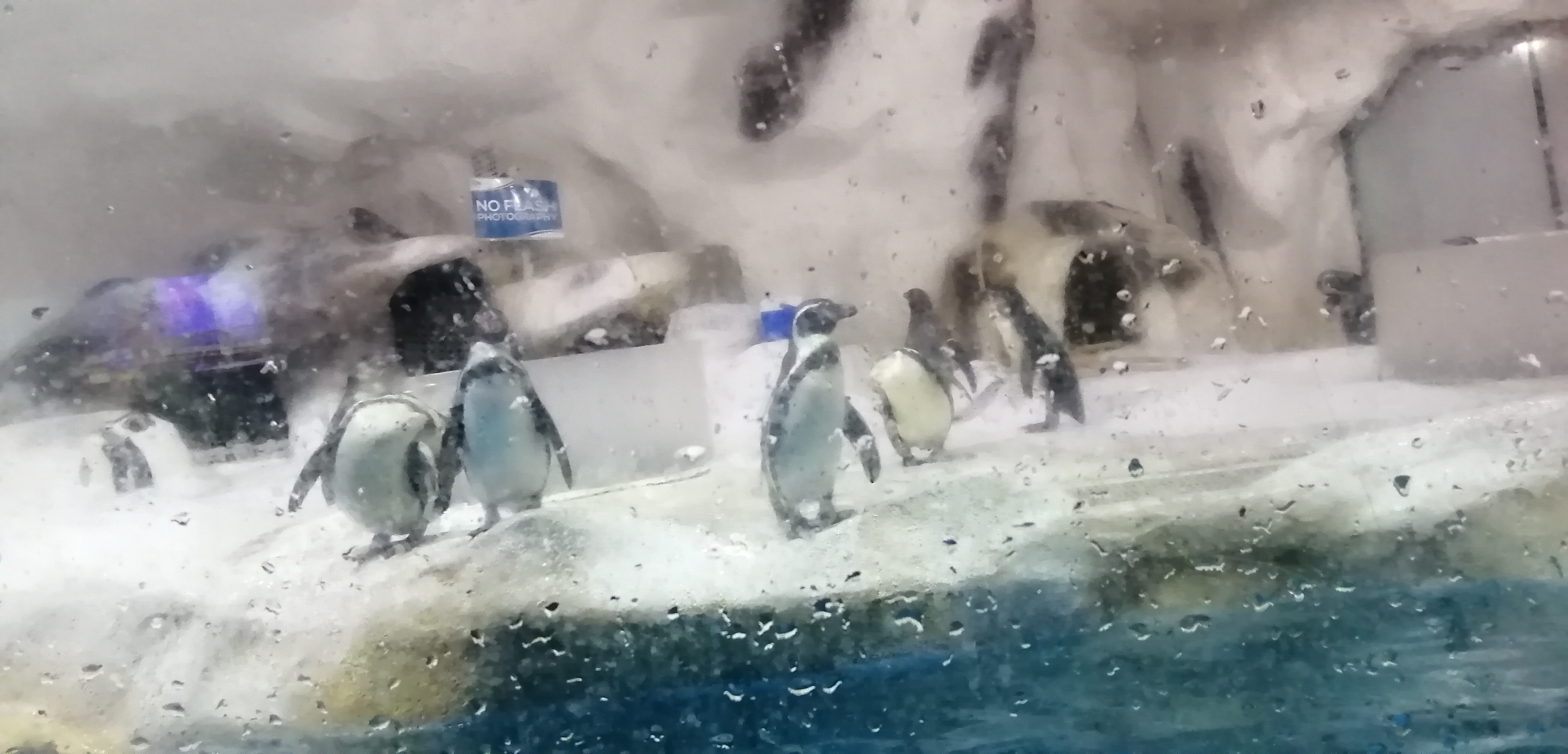
Its body is adopted for swimming.
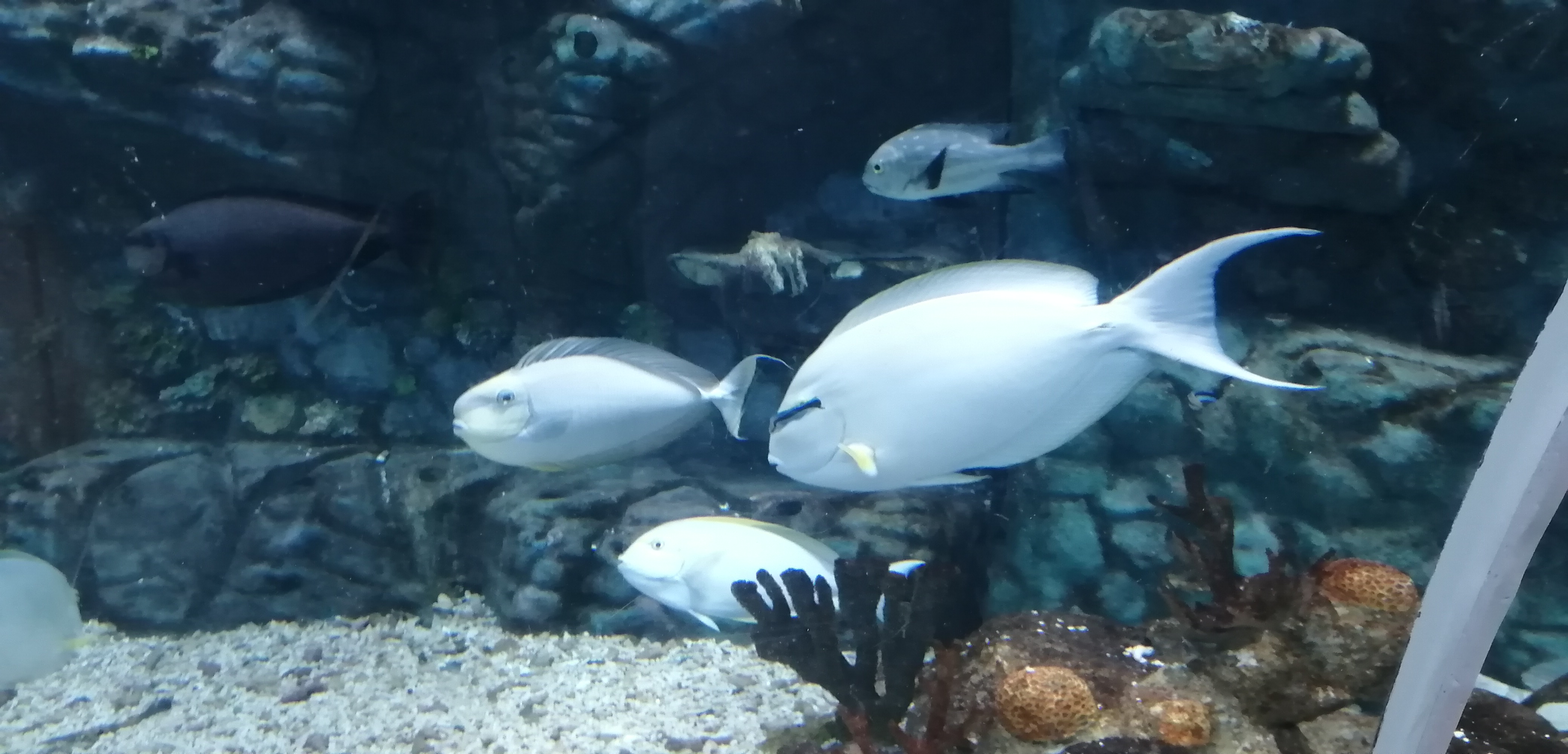
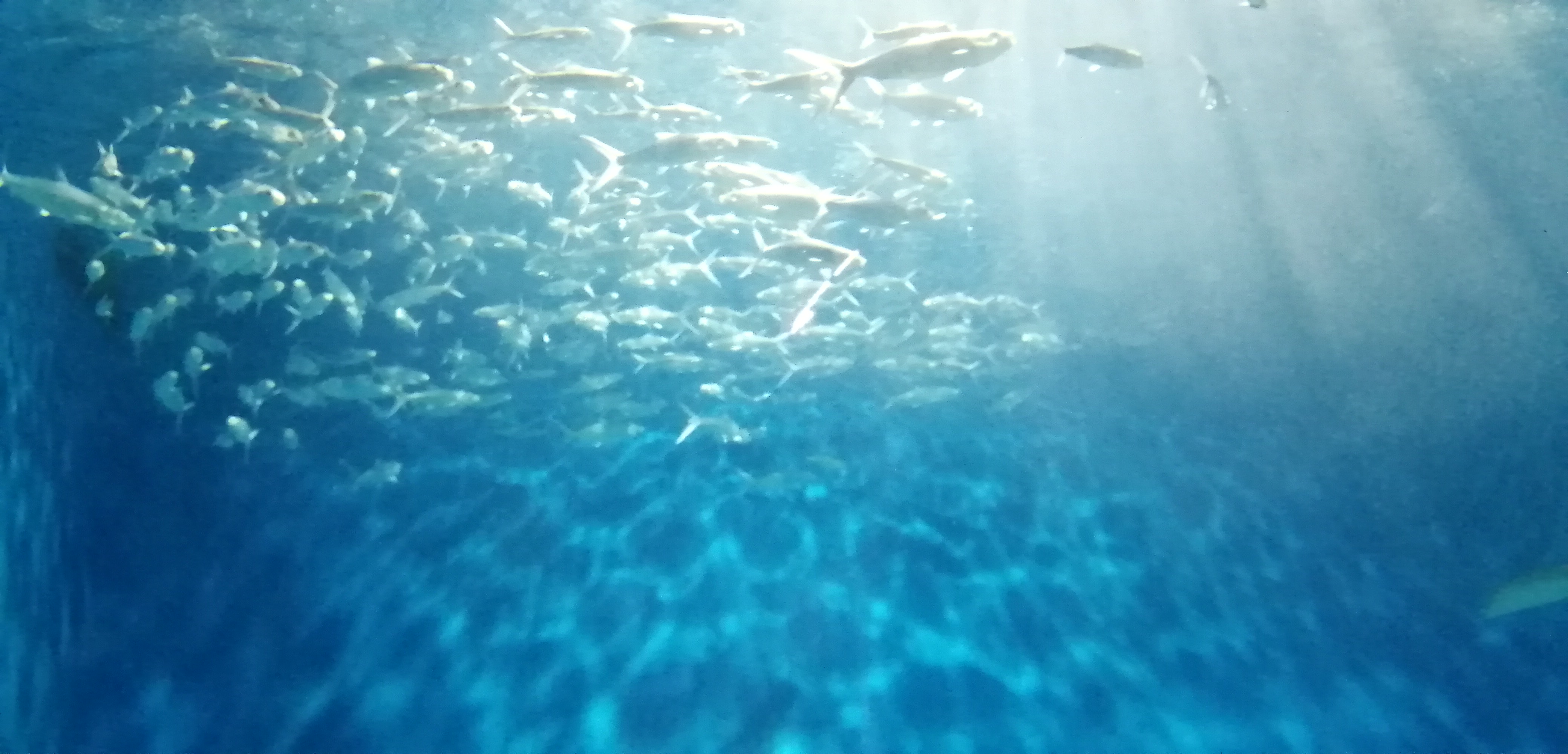
TRIVIA: Only the baby arapaima has functional gills- adults have air bladders which allow them to breathe air, for which they have to surface every 5 to 15 minutes. This enables the arapaima to hunt in oxygen-deficient water where other fish are slow and lazy.
METRO MANILA
The Philippine Eagle, star fish, and other bird species are examples of dominant and keystone species in Metro Manila.
Urban soils are hotter than those on rural areas. Metro Manila also have volcanic soil and it is suitable for landfill.
The species interaction is not so active compare to those what we saw in the natural places such as forest, lakes, and other form of natural habitats.
The hydrologic characteristics in the area is not normal. All of it is run by a machine in order to maintain its cleanliness and to produce enough oxygen for the water species.
The climate in Metro Manila is hot compare to those places in rural areas.
The Ecological problems that I observed in that area are deforestation, water and sand pollution, and air pollution due to many people, factories, and vehicles that caused imbalance to that place.
The urban metabolism in Metro Manila is already imbalance. It is due to high needs for consumption and less of natural products to be produced.
During our tour, that was my first time to personally see an eagle. Actually it is exciting but on the other side thinking that those wonderful animals are already endangered. The talented sea lions who entertain the audience, colorful fishes, penguins, and other terrestrial species can relieve my stress. But I have a question in my mind, how long could the China Oceanis Philippines Inc. maintain the oceanarium? What will happen in case they will no be able to maintain the oceanarium? What will happen to those endangered species out there. Well, I conclude that our country must have a place that is far from the urban areas. an appropriate place that the endangered animals could be transferred instead of staying in the zoo for displays.
The lessons that I learned before tour is really different from what I have experienced. Learning through books is like an imaginations unless it will be in our real life.

 Vita Nova's blog